
What Is Deadstock Fabric and Why It Matters for the Future of Fashion
Introduction
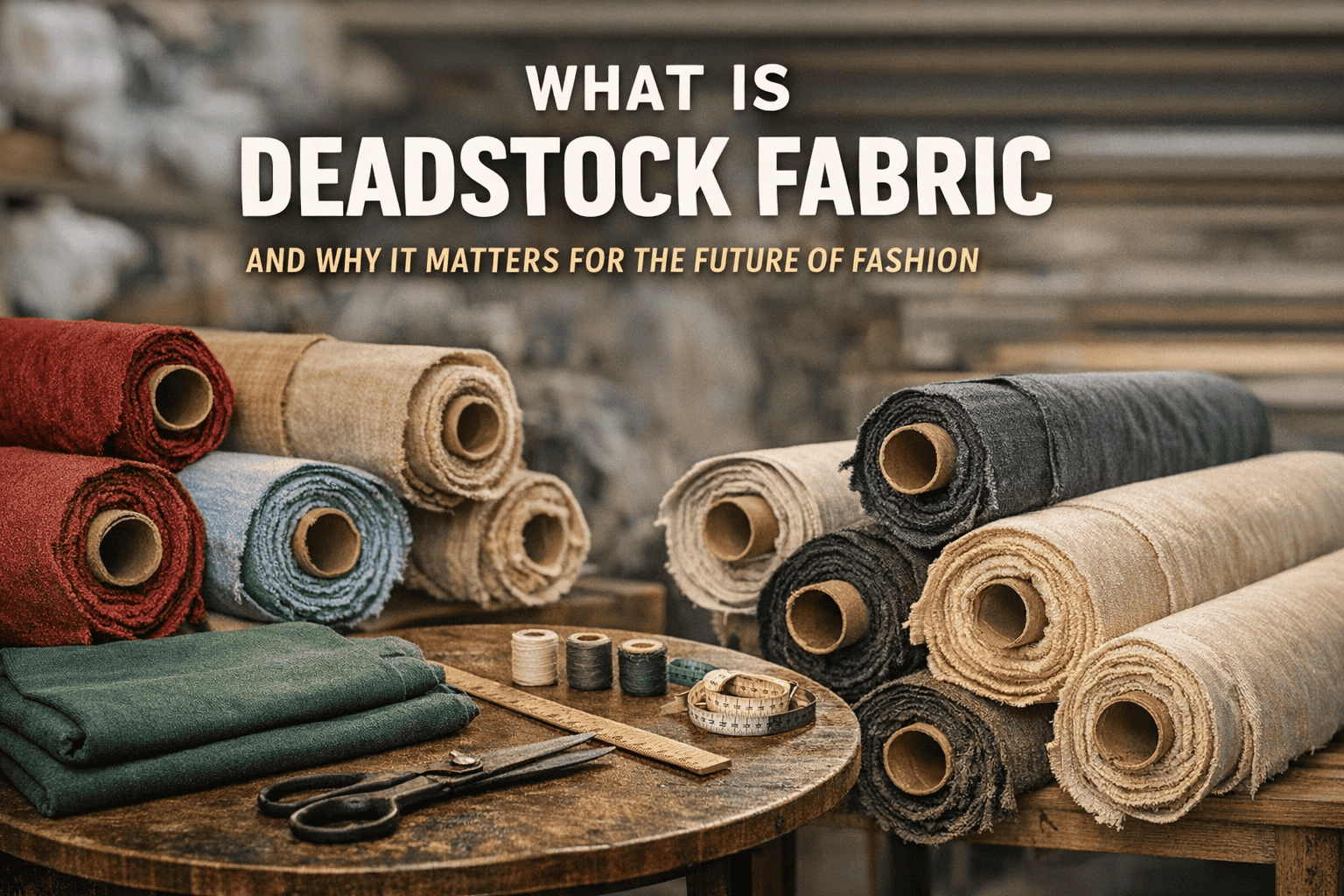
The fashion industry produces millions of meters of fabric that never reach consumers. These materials — often brand-new and high quality — remain unused due to overproduction, canceled collections, or surplus manufacturing.
This is where deadstock fabric changes everything.
Deadstock fabric refers to unused textile stock originally produced for fashion brands, manufacturers, or designers but never sold or used in final garments. Instead of being discarded or prematurely recycled, these materials can be redistributed and reintroduced into the market.
For brands seeking sustainability, flexibility, and competitive pricing, deadstock is no longer an alternative — it is becoming a strategic advantage.
What Exactly Is Deadstock Fabric?
Deadstock fabric is:
- Surplus from fashion houses
- Leftover production rolls
- Overestimated manufacturing runs
- Cancelled orders
- Excess inventory from textile mills
Unlike recycled fabric, deadstock has never been used or transformed into waste. It is new fabric, simply without a current owner.
This distinction matters.
Deadstock preserves the value already embedded in the textile — water, energy, labor, transport — without generating additional environmental cost.
Why the Fashion Industry Overproduces
Overproduction is structural in fashion.
Brands typically produce 10–30% more fabric than needed to avoid shortages. Collections get modified. Orders get canceled. Forecasts fail.
The result? Thousands of meters of unused cotton, silk, polyester, wool, denim, and technical fabrics.
Globally, textile waste exceeds 90 million tons per year — a significant portion originating from production surplus rather than consumer use.
https://ellenmacarthurfoundation.org/topics/fashion/overview
Deadstock offers a direct intervention in this inefficiency.
Deadstock vs Recycled Fabric
| Deadstock | Recycled Fabric |
|---|---|
| New material | Processed waste |
| No reprocessing needed | Requires industrial transformation |
| Lower environmental footprint | Additional energy required |
| Often higher quality | Depends on recycling process |
For many brands, deadstock is the most immediate and scalable sustainability solution.
Economic Advantages for Brands
Beyond sustainability, deadstock creates strategic advantages:
1️⃣ Cost Efficiency
Stock lots are often priced significantly below mill production prices.
2️⃣ Flexibility
Brands can purchase from 10 meters to several thousand meters without committing to factory MOQs.
3️⃣ Speed
Immediate availability — no 8–12 week production lead times.
4️⃣ Exclusivity
Limited quantities mean less risk of market saturation.
The Rise of European Deadstock
Europe is becoming a central hub for high-quality surplus textiles. Luxury fashion houses, premium mills, and industrial manufacturers generate large quantities of unused stock.
Working with a European deadstock supplier ensures:
- Traceability
- Faster logistics within EU
- High compliance standards
- Access to premium fabrics
For emerging brands and established manufacturers alike, this ecosystem is redefining sourcing models.
Who Should Consider Deadstock?
- Emerging clothing brands
- Sustainable fashion labels
- Small production ateliers
- Large-scale manufacturers
- Interior designers
- Upholstery producers
Any company looking to reduce costs and environmental impact can benefit.
The Future of Textile Sourcing
The next decade of fashion will not be defined only by new innovation — but by smarter use of what already exists.
Deadstock fabric is not a trend.
It is a structural solution to overproduction.
Brands that integrate surplus sourcing today position themselves ahead of regulatory pressure, consumer expectations, and raw material volatility.
Conclusion
Deadstock fabric transforms waste into opportunity.
It protects margins.
It reduces environmental impact.
It increases sourcing flexibility.
For modern brands, it is no longer a niche strategy — it is becoming the standard.
Ready to Source Premium Deadstock Fabric?
Whether you need 10 meters or 20,000 meters, our European warehouse offers flexible wholesale solutions tailored to fashion brands and manufacturers.
✔ 8,000+ fabric references
✔ From 10m to 20,000m
✔ By meter or by kilo
✔ International shipping available
This article is also available in French.
