
Deadstock Fabric Suppliers: Global Guide for Fashion Brands and Manufacturers
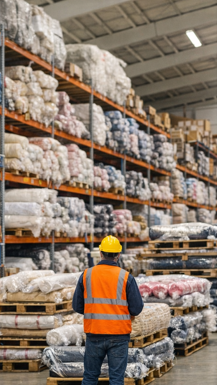
Deadstock fabric suppliers play a key role in today’s textile industry. Many fashion brands, designers and manufacturers rely on surplus fabrics to access high-quality materials that are already produced and available for immediate use.
Working with reliable suppliers allows businesses to reduce production time, access unique materials and optimize their sourcing strategies. As the demand for flexible and efficient production grows, deadstock fabrics are becoming an essential solution for modern fashion brands.
What Is Deadstock Fabric?
Deadstock fabric refers to surplus textiles that were originally produced for brands or manufacturers but were not used in final production.
The concept of deadstock fabric is widely used in the fashion industry and is closely linked to sustainability practices.
These fabrics can come from:
- overproduction
- canceled orders
- leftover stock from collections
In most cases, deadstock fabrics are new and ready to be used by other businesses.
Why Fashion Brands Use Deadstock Fabric Suppliers
Many fashion brands are also moving towards more sustainable sourcing models.
First, these fabrics are already produced, which means they are available immediately. This reduces production timelines and allows brands to launch collections faster.
Second, deadstock fabrics often include high-quality materials from established manufacturers.
Finally, they offer access to unique fabrics that are no longer in production.
Deadstock Fabric Suppliers in Europe
Europe is one of the main hubs for deadstock fabrics, thanks to its strong textile and fashion industry.
Many brands source materials from deadstock fabric suppliers in Europe, where surplus fabrics from manufacturers and fashion houses are widely available.
Types of Deadstock Fabrics Available
Deadstock suppliers offer a wide variety of materials used across the textile industry.
Common types include:
- cotton
- denim
- linen
- viscose
- silk
Many businesses search for specific materials when working with deadstock fabric suppliers, such as cotton, denim, linen or silk fabrics.
How to Find Reliable Deadstock Fabric Suppliers
Finding the right supplier is essential for any fashion business.
When evaluating deadstock suppliers, businesses should consider:
- consistency of stock
- fabric quality
- logistics and delivery
- communication and support
Working with trusted suppliers ensures long-term sourcing success.
How Businesses Source and Buy Deadstock Fabrics
Businesses typically purchase deadstock fabrics in lots or bulk quantities.
This allows manufacturers and brands to:
- secure production materials
- test new collections
- reduce sourcing costs
Some suppliers also offer flexible volumes depending on the needs of the client.
Deadstock Fabric Suppliers by Region (Europe, USA and Asia)
Deadstock sourcing is global, but some regions are particularly important.
- Europe
- United States
- Asia
- South America
- Africa
- Australia
Why Deadstock Fabrics Are Growing in the Industry
The use of deadstock fabrics is increasing across the fashion industry.
Brands are looking for faster sourcing solutions and more flexible production models.
Deadstock allows businesses to access ready-made materials while adapting to changing market demands.
How Deadstock Fabric Suppliers Work
Deadstock suppliers source surplus materials directly from manufacturers, brands, and textile producers. They inspect, categorize, and resell these fabrics to businesses looking for affordable and sustainable sourcing options.
Unlike regular wholesale suppliers, deadstock suppliers typically offer limited quantities and unique fabrics that may not be restocked once sold.
Benefits of Working With Deadstock Fabric Suppliers
Cost Efficiency
Deadstock fabrics are usually priced lower than newly produced textiles, helping businesses reduce production costs.
Sustainability
Using deadstock fabrics prevents high-quality textiles from being wasted, supporting circular economy practices within the fashion and textile industries.
Unique Materials
Deadstock suppliers often carry fabrics that are no longer in production, allowing brands to create distinctive collections.
Deadstock Fabrics vs Regular Wholesale Fabrics
While wholesale fabrics are produced continuously, deadstock fabrics are finite. This makes deadstock ideal for limited editions, small batches, or experimental designs.
However, businesses must plan carefully, as exact reorders are not always possible with deadstock materials.
Choosing the Right Deadstock Fabric Supplier
When selecting a deadstock fabric supplier, businesses should consider transparency, fabric condition, minimum order quantities, and sourcing practices. Reliable suppliers provide clear information about fabric origin and composition.
Conclusion
Deadstock suppliers offer businesses an opportunity to reduce costs, improve sustainability, and access unique textiles. Understanding how these suppliers operate helps brands make informed sourcing decisions and build more responsible supply chains.
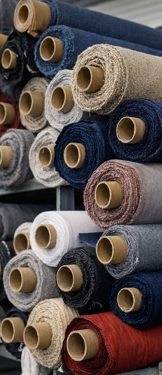
Where to Find Deadstock Fabric Suppliers
Deadstock fabric suppliers can be found across different regions, including Europe, the United States and Asia. Many businesses work with suppliers connected to textile manufacturers and fashion brands.
In Europe, deadstock fabric suppliers are particularly strong due to the presence of established textile industries and fashion houses.
Challenges When Working with Deadstock Fabric Suppliers
Working with deadstock suppliers also comes with certain challenges that businesses need to consider.
Since deadstock fabrics come from surplus production, availability is often limited. This means that exact fabrics may not always be restocked once sold.
In addition, consistency can vary between different batches, making it important for businesses to carefully evaluate materials before production.
However, with the right sourcing strategy and reliable suppliers, these challenges can be managed effectively.
FAQ
Where can I find deadstock fabric suppliers?
Deadstock fabric suppliers can be found through specialized platforms, textile networks and suppliers working with surplus fabrics.
Is deadstock fabric new?
Yes, in most cases deadstock fabrics are unused materials from previous productions.
Why do brands use deadstock fabric?
Brands use deadstock fabrics to reduce production time and access unique materials.
Can small brands buy deadstock fabrics?
Yes, many suppliers offer flexible quantities for small and medium brands.
Looking for reliable fabric suppliers?
Looking for Deadstock Fabric Suppliers?
If you are looking for reliable deadstock suppliers, our team can help you source the right fabrics for your business.
We work with a network of suppliers across Europe and internationally, giving you access to a wide range of deadstock fabrics for fashion brands, designers and manufacturers.
