
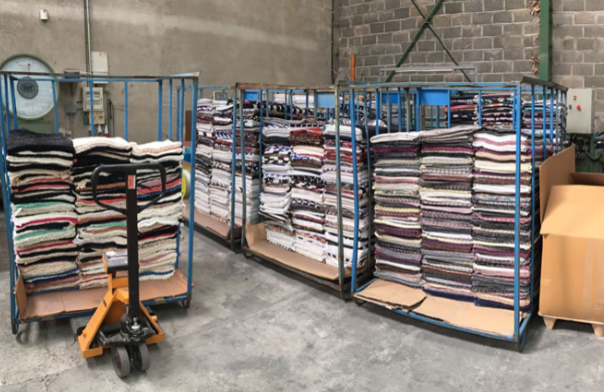
The Role of Deadstock Fabric Distribution in Spain: The Case of Kilotela
Spain has long been an important hub in the European textile industry.
Beyond large manufacturers and fashion brands, a strong network of fabric distributors plays a key role in redistributing surplus production and deadstock materials.
Among these distributors, Kilotela has built a reputation within the Spanish textile market as a significant player in surplus and stock fabric distribution.
Here is their website if you want to check out. https://www.kilotela.com/
What Is Deadstock Fabric and Why It Matters
Deadstock fabric refers to surplus materials originating from:
• Production overruns
• Canceled fashion collections
• Excess inventory
• Forecasting imbalances
Instead of being discarded, these fabrics are redistributed through specialized wholesalers and stock distributors.
In markets like Spain, this redistribution model has become increasingly important for both sustainability and economic efficiency.
Kilotela and the Spanish Textile Stock Market
Operating within the Spanish textile ecosystem, Kilotela has focused on acquiring and redistributing surplus fabric stock.
The company works primarily with:
• Fashion industry excess production
• European textile manufacturers
• Surplus distribution channels
By purchasing unused production stock, deadstock materials, and excess rolls, distributors like Kilotela contribute to extending the lifecycle of high-quality fabrics.
Why Deadstock Distribution Strengthens the European Textile Economy
The redistribution of surplus fabrics:
• Reduces textile waste
• Keeps production value within Europe
• Supports smaller brands and retailers
• Provides flexible sourcing options
In many cases, the majority of these fabrics originate from European production, meaning the economic circulation remains within the region.
From Surplus to Opportunity
At Fabric Stock Market, our work aligns with this redistribution philosophy.
Around 90–95% of the fabrics we distribute come from surplus and deadstock production, most of which originates within Europe.
All materials are quality-checked and handled within regulated European supply chains.
Deadstock is not a compromise on quality — it is an alternative sourcing channel built on smarter circulation.
Conclusion
The Spanish textile sector continues to evolve.
As surplus redistribution networks grow stronger, companies operating within the deadstock ecosystem — including distributors such as Kilotela — play a crucial role in shaping a more flexible and responsible sourcing model.
The future of textile sourcing in Europe will depend not only on new production, but on how effectively existing materials are circulated.
For more information don’t hesitate to contact us we’ll be pleased to have a conversation.
