
Introduction
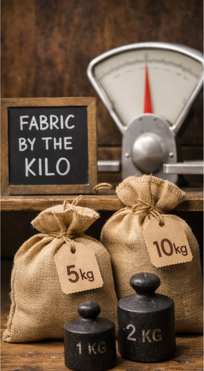
For small fashion brands, designers, and textile retailers, sourcing fabric stock by the kilo has become an increasingly popular alternative to traditional wholesale purchasing. Buying fabric by weight instead of by the meter or roll allows businesses to reduce costs, access diverse materials, and stay flexible in their sourcing strategies.
This article explains how fabric stock by the kilo works, when it makes sense, and why both brands and fabric stores use this method to source surplus and deadstock textiles.
What Does “Fabric Stock by the Kilo” Mean?
Fabric stock by the kilo refers to purchasing surplus or deadstock fabrics based on weight rather than fixed measurements. These fabrics usually come from overproduction, canceled orders, or leftover stock from manufacturers and fashion brands.
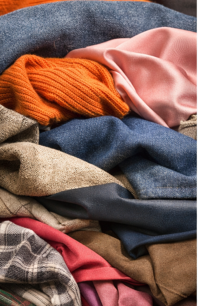
Kilo-based fabric sourcing often includes mixed textiles, varied compositions, and limited quantities that are not available through standard wholesale channels.
Why Brands Choose Fabric Stock by the Kilo
Lower Entry Costs
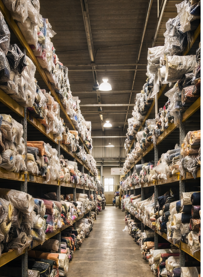
For small and emerging brands, buying fabric by the kilo reduces the need for large upfront investments. This makes it ideal for testing new designs, producing limited collections, or developing samples.
Creative Flexibility
Kilo-based sourcing allows brands to experiment with different materials, textures, and colors without committing to large quantities of a single fabric.
Sustainable Sourcing
Using surplus and deadstock fabrics helps prevent textile waste and supports more responsible sourcing practices within the fashion industry.
Fabric Stock by the Kilo for Fabric Stores and Haberdashery Shops
Fabric stock by the kilo is not limited to fashion brands. Many fabric stores, haberdashery shops, and textile retailers also rely on kilo-based sourcing to diversify their inventory and improve margins.
For shops that sell fabrics by the meter or in small quantities, buying fabric stock by the kilo provides access to varied textiles at competitive prices. This approach is especially useful for:
- Local fabric and textile stores
- Haberdashery and sewing supply shops
- Textile outlets and remnant stores
- Shops selling surplus or leftover fabrics
Kilo-based sourcing allows stores to refresh their stock frequently, offer unique materials, and respond quickly to customer demand without committing to large wholesale orders.
When Fabric Stock by the Kilo Makes Sense
Fabric stock by the kilo is particularly suitable for:
- Small fashion brands and designers
- Fabric stores and textile retailers
- Limited edition collections
- Prototyping and sampling
- Creative and experimental projects
However, it may not be ideal for large-scale production where consistent fabric supply and exact reorders are required.
Choosing Reliable Fabric Stock Suppliers
When sourcing fabric stock by the kilo, working with experienced and transparent fabric suppliers is essential. Reliable suppliers provide clear information about fabric composition, condition, and sourcing origin.
Understanding what you are purchasing helps businesses and stores avoid inconsistencies and achieve better results when reselling or producing with surplus fabrics.
Conclusion
Fabric stock by the kilo offers brands and fabric stores a flexible, affordable, and sustainable way to source textiles. When used strategically, it supports creativity, reduces costs, and helps businesses adapt to changing market demands while promoting responsible fabric sourcing.
For more information about textiles visit our Blog
Contact with the best team
Looking for flexible fabric sourcing options?
Please do not hesitate to contact us if you need any further information
Thank you, Pep
